

Dental Crowns & Bridges in Dillon, CO
Crowns and bridges are important and effective dental restorations. Damaged or missing teeth can cause serious discomfort when chewing and may even make it difficult to speak properly. Missing teeth also detract from your appearance and can make you feel self-conscious. Depending on your situation, crowns or a bridge may be the best solution to give you back a whole and healthy smile.
At Summit Dental Group, our goal is to provide our patients with the highest quality dental care available. Drs. Mitchell and Schneider use their extensive experience and training to create durable, natural-looking dental restorations. We take pride in our ability to create crowns and bridges that will return your teeth to their full function and give you a smile you can be proud of.
Dental Crowns in Summit County
Crowns are used to strengthen and support teeth that are broken or damaged by decay. A crown, also called a “cap,” is an artificial tooth that is placed over a damaged tooth to fully encase and protect it. A crown serves as a protective cover that restores your ability to chew and speak normally. For example, crowns are often used after root canal treatment to strengthen the natural tooth and protect it from further damage.
For many years, crowns were made of metal, making them very obvious. More recently, crowns were created using a ceramic casing over a metal liner. They were a great improvement over all-metal crowns, but still allowed a line of metal to show through at the gum line.
Fortunately, advances in dental materials and technology now allow us to place beautiful, natural-looking all-porcelain crowns. Porcelain is a perfect material for crowns because it is durable and looks very similar to natural dental enamel, blending beautifully with your own teeth.
Dental Bridges
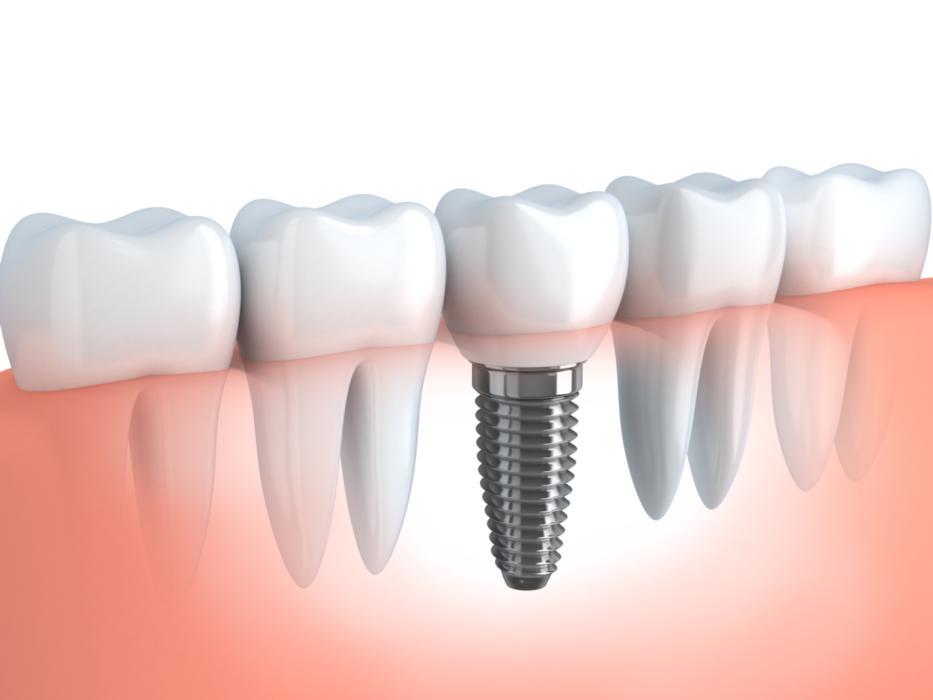
A dental bridge is a restoration used to replace one or several missing teeth. A bridge is made up of several crowns and is used to fill the gap left by a missing tooth or missing teeth. The bridge is then attached to neighboring natural teeth using crowns that stabilize the restoration. Drs. Mitchell and Schneider may also recommend placement of a dental implant to provide further support for the bridge depending on your needs. 
Whether you are having a crown or bridge placed, the preparation process is basically the same. First, Drs. Mitchell and Schneider will evaluate your oral health so they can decide which type of restoration is most appropriate. We then take impressions that are sent to a top dental lab, where your restoration will be custom-crafted. When you return for your next visit, we adjust the restoration if necessary to ensure a perfect fit and a fully-functioning tooth.
Caring for Restorations
Porcelain restorations are very durable, and with proper care can last for many years. But it is important to remember that, like your natural teeth, they may become damaged and need to be replaced. Keeping up with your regular dental exams allows Drs. Mitchell and Schneider to make sure your restoration remains in good condition. We do offer 24/7 dental emergency care, so please don’t hesitate to contact our office immediately if your crown becomes damaged or falls out.
Call Our Office to Arrange a Consultation in Dillon
The professional team at Summit Dental Group is committed to helping you maintain great oral health and a beautiful smile you can be proud of. Please contact our office so that we can help you accomplish your goal of a whole and healthy smile.
Frequently Asked Questions
Dental emergencies like a lost or damaged crown always cause stress, so it’s good to know that someone at Summit Dental Group is standing by to help you. A crown that has fallen out may or may not be an emergency, but you can always call us, and we can help decide if you need immediate treatment.
The Effects of a Broken Crown
A lost crown is a problem because it can be painful but without the crown to protect it, the tooth can also weaken, making it more susceptible to further damage. It’s
important to handle a loose crown carefully, because there’s a good chance that all we need to do is cement it back into place.
Whatever you do, do not use store-bought dental cement as you may end up doing additional damage to the tooth or crown. Do keep the crown wrapped in tissue and in a safe place so that it does not get damaged.
First Steps in Fixing a Broken Crown
We can’t tell you if a lost crown is an emergency or not until we speak to you and assess the information you give us. The first step is to contact our Dillon dental office. If it’s after-hours, you can call and leave a message, and someone will get back to you as quickly as possible.
Bonding, dental crowns, veneers, and recontouring are options that can be used to alter the shape of teeth. These procedures can make your teeth appear longer, close gaps between teeth, or repair teeth that are chipped or cracked.
Dental Bonding
A tooth-colored resin made of a durable plastic material is applied to the surface of the tooth, shaped to produce the desired results, and then cured with a special light to harden the material and bond it to the tooth.
Dental Crowns
Also referred to as “caps,” dental crowns are used to cover your natural tooth. The dental crown is placed over the existing tooth and extends slightly above the gum line for a natural appearance. It is then cemented into place, covering the entire visible portion of the tooth.
Veneers
Porcelain veneers are ultra-thin shells of porcelain bonded to the front surface of teeth to alter their appearance and correct cosmetic dental flaws.
Recontouring
This is a procedure that reshapes the teeth by removing small amounts of tooth enamel to change the surface, length, or shape of the tooth. Recontouring is also referred to as enameloplasty, odontoplasty, slenderizing, or stripping.
These various options differ in terms of cost, durability, stain resistant qualities, and "chair time" necessary to complete the procedure. Check with your dentist to see which option best suits your specific needs.
Typically, Crowns Are Needed After Root Canal Treatment
It is difficult to say whether you will definitely need a crown but, in the great majority of cases, the answer is yes, you will most likely need a dental crown after root canal treatment.
In general, dental crowns are used to provide support and strengthen a tooth that has been weakened. In the case of a root canal, the condition of the tooth before treatment is one of the determining factors. If the tooth has already been compromised by extensive decay, a dental crown will help protect it from further damage.
Dental crowns are versatile restorations, and protecting a tooth after a root canal is just one of their uses. We can also use dental crowns to make cosmetic alterations like reshaping of a tooth. If your teeth are severely discolored and cannot be whitened using traditional treatment, a crown is a good choice for creating a new, fresh-looking surface.
Our Priority Is Your Health
At Summit Dental Group, our first priority is protecting your oral health, and restorations like dental crowns help us accomplish that goal. But the type of treatment we choose really depends on your specific needs.
Please contact us for more information about dental crowns and the other types of restorative treatments we offer.
The Effect of Missing Teeth
The biggest concern associated with missing teeth is tooth alignment problems. One or more missing teeth allow surrounding teeth to shift into the empty space, creating a domino effect that results in alignment issues and difficulties with your dental bite.
These problems can potentially lead to premature wear, teeth grinding, and chipped or fractured teeth. Replacing missing teeth is also important because all your teeth are designed to work together to allow you to chew and speak properly. Missing teeth look unattractive the loss of even one tooth can make these basic functions difficult.
Tooth Replacement Options
Tooth replacement options like dental bridges and dental implants are effective because they not only prevent teeth from shifting, but they also restore functionality, allowing you to chew and speak normally. In addition, they provide a cosmetic solution by filling the gaps left by missing teeth.
It is important for you to have teeth that allow you to speak and chew normally, but missing teeth also detract from your self-confidence. If you have questions about the solution that is best for you, please contact us, we will be more than happy to answer your questions and discuss your options.
Under normal circumstances, the root of your tooth stimulates growth of surrounding bone tissue in your jaw. If you lose a tooth, the bone surrounding the missing root has nothing to support it, and it will begin to erode. At the same time, your gum will begin to shrink as the bone deteriorates, resulting in a sunken appearance of the gums.
How Bone Grafting is Done
Bone grafting is a procedure that allows us to rebuild the portion of your jaw where the root is missing. This corrects the appearance of collapsed gums because the grafted bone helps stimulate your body’s natural ability to regenerate bone tissue.
The Need for Bone Grafting
If you’re having a dental bridge placed, and the gum around the missing tooth has started to collapse, bone grafting can effectively build up that area of the gum and eliminate the shrunken appearance.
In order to have a dental implant placed, there must be sufficient bone density in your jaw to hold the implant. We may recommend bone grafting to accommodate the implant. Bone grafting may also be recommended to correct problems associated with severe periodontal infection.
Drs. Mitchell and Schneider are highly-trained in oral surgery, and bone grafting in particular. Please contact our office for more information, and we will be happy to answer any questions you have about bone grafting.
Meet Our Doctor:
Dr. Steven Mitchell DDS
Dr. Mitchell attended Florida State University and The University of Notre Dame for his undergraduate education and obtained his dental training at the University of Tennessee Health Science Center and the University of Memphis. He also has extensive postgraduate education, specifically selecting courses focusing on oral surgery and dental implants. His most recent training in full-mouth rehabilitation allows him to provide smile makeovers to his patients for confident, healthy, beautiful smiles. His commitment to lifelong education means he is constantly evaluating emerging dental methods and technologies in order to provide ...